
I used to think my cravings were just a lack of willpower.
That if I could “just be stronger,” I’d stop reaching for the chocolate for a mid-afternoon snack or ordering mango lassi at dinner.
However, the truth is more complex and liberating.
Because cravings aren’t a character flaw. They’re chemistry.
And they’re cultural.
And they’re deeply human.
The Nighttime Craving Cycle
Here’s a scene that plays out every time I visit my parents:
It’s 10 PM. I’m full from dinner.
I don’t need anything else.
But my mom walks in with a cold glass of falooda or a Cadbury bar: “Just a little,” she says. “It won’t hurt you.”
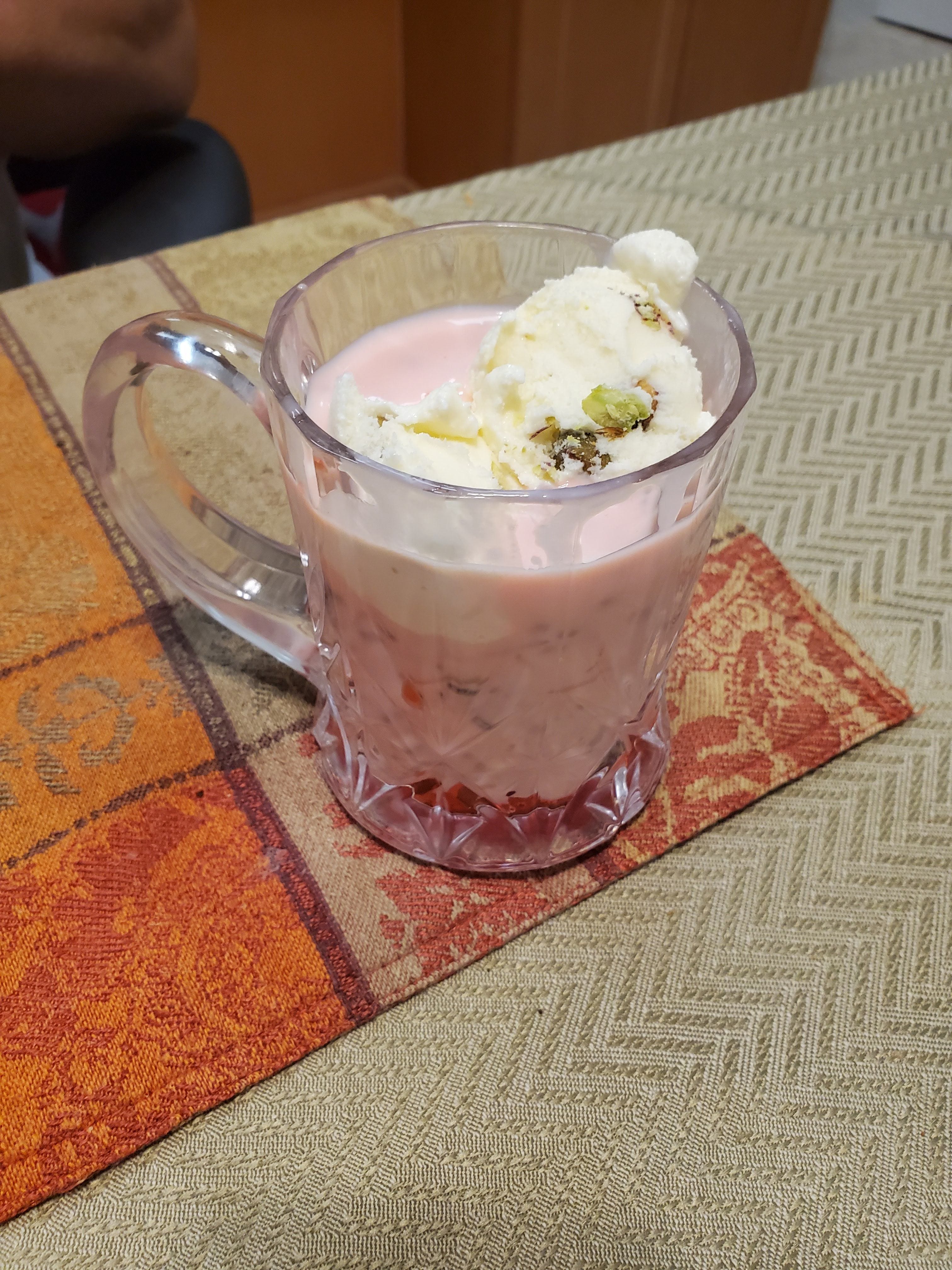
And even when I say no, she pouts.
And eventually, I eat it.
It’s not hunger. It’s not a weakness.
It’s an emotional craving wrapped in love, tradition, and family expectations, and it’s also a biological response my body has been programmed to have.
Love, Sugar, and the Fruit Bowl
And it’s not always junk food. In many South Asian families, including mine, parents often express love through food, even when it’s as simple as fruit.
A ripe, juicy jackfruit. A bowl of sliced papaya. A plate of mango slices sprinkled with salt and chili. Or even cut up passion fruit.
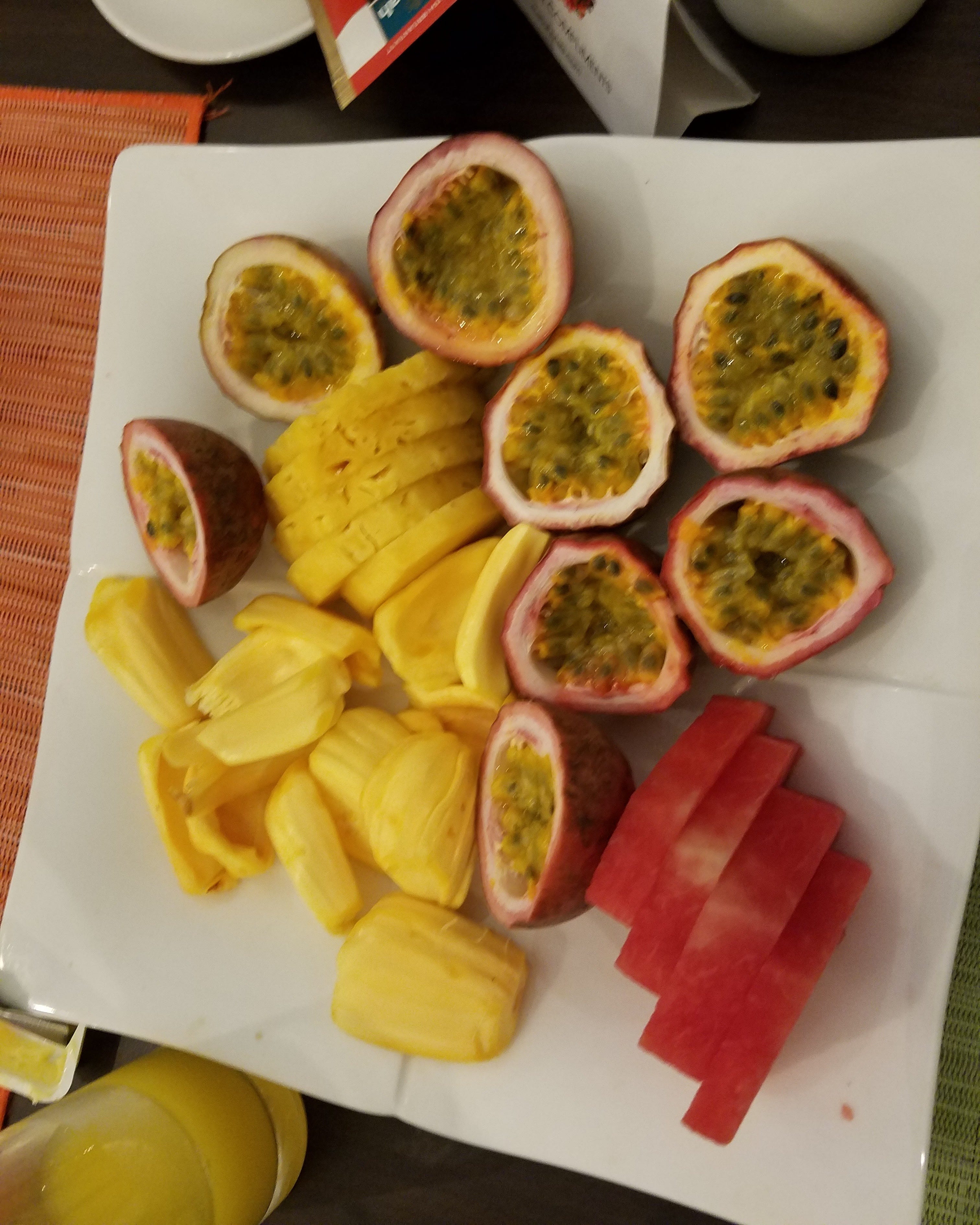
It didn’t matter if it was fruit or dessert, the message was the same: “I care about you. This is how I show it.”
Over time, that connection wires our brains to seek comfort and validation through food, regardless of the type of food. Even “healthy” sugar can become part of the emotional craving pattern. It’s not about the sugar itself. It’s about the signal: “I feel loved when I eat this.”
The Genetic Side of Cravings
Cravings start deep inside the body, often before we’re even aware of them.
Dopamine: Our brains are wired to seek reward. Sugar and carbs release dopamine, the “feel-good” chemical, and some people (especially those with certain genetic variations) experience a stronger reward signal than others.
Hormones: When blood sugar levels dip, hunger hormones like ghrelin rise, prompting us to seek quick energy. If your body struggles with insulin resistance, something South Asians are more prone to, that rollercoaster happens more often.
Blood Sugar Swings: If meals spike your blood glucose, your body often responds with a crash, followed by a craving for something sweet to bring levels back up.
Metabolic History: Generations of scarcity and famine shaped South Asian bodies to store energy quickly. That “thrifty” metabolism now makes us more sensitive to sugar highs and lows.
All of this means that your biology is already wired to push you toward sugar, carbs, or comfort foods, especially when energy levels are low or stress is high.
The Emotional Side of Cravings
But cravings aren’t just physical. They’re deeply emotional too, and that’s especially true for women and for South Asians.
Comfort and Nostalgia: Many of us grew up associating sweets with love and affection. “Good grades? Have some mithai.” “Bad day? Here’s a bowl of fruit.” That pattern becomes a subconscious script.
Stress Response: Cortisol, the body’s stress hormone, increases appetite and makes us crave quick energy, often sugar and refined carbs.
Cultural Cues: Food is how we connect, celebrate, and show love. Saying no can feel rude. Refusing dessert can feel like rejecting someone’s care and concern.
Restriction Backlash: Diet culture teaches us to “cut out sugar”, which ironically makes us want it more. What we label as “forbidden” often becomes irresistible.
So while biology lights the spark, emotions often fan the flame.
The Intersection: Where Science Meets Story
Here’s the part no one told me: cravings are multi-layered. They’re not just genetic. They’re not just emotional. They’re a conversation between your hormones, habits, history, and heart.
And that’s why trying to “willpower” your way out of them rarely works.
It’s like trying to silence a fire alarm without putting out the fire.
What Works Instead
When I started focusing on blood sugar balance through how I ate, how I managed stress, and yes, with the help of Brown Body Reset, I noticed two significant changes:
Fewer Crashes led to Fewer Cravings
Stable blood sugar = less dopamine-driven urgency for sugar.Awareness = Power
Once I understood that cravings were my body communicating, not sabotaging me, I could respond instead of reacting.
And that’s the fundamental shift: cravings don’t disappear overnight. But they do become more predictable, more manageable, and less emotional.
Final Thought
If you’ve ever felt ashamed of your cravings, please don’t. They’re not a weakness. They’re not proof that you “failed.”
They’re biology. They’re psychology. They’re survival.
And once you understand them, you can finally stop fighting your body and start working with it.
Learn more about what I’m working on - Brown Body Reset - and sign up to the waitlist!